 Skip-the-line available
 The Best Time to Visit Château de Villandry
A month-by-month guide to the gardens, crowds and light at the Loire's greatest garden château.
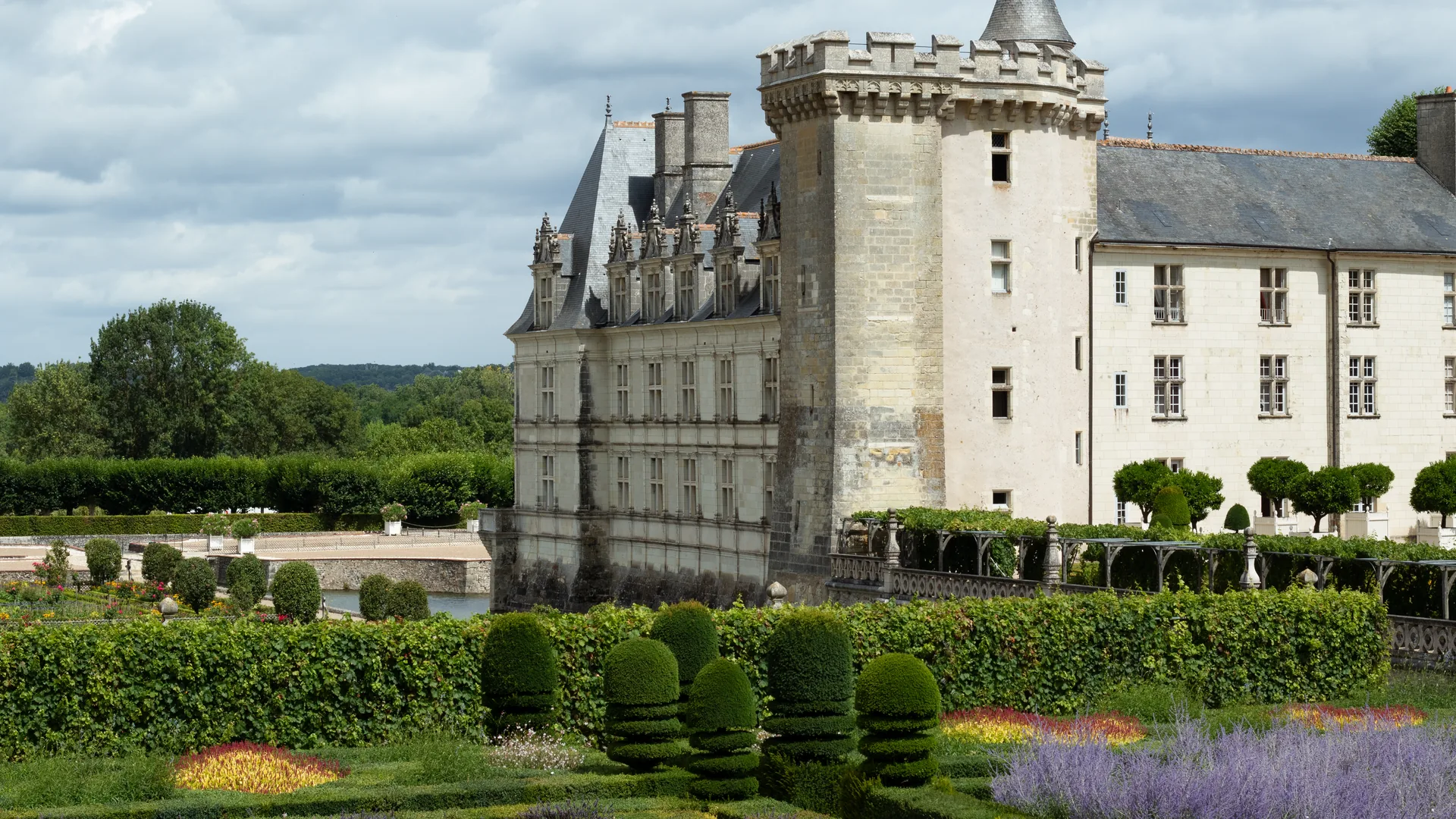
No Loire château rewards timing quite like Villandry, because you are really coming to see a garden — and a garden looks different every month. The ornamental kitchen garden is replanted twice a year, the box hedges are clipped to their crispest in early summer, and the light that rakes across the patterns from the terrace is best in the morning and late afternoon. This guide walks through the year so you can pick the visit you actually want. The gardens are open every day except 25 December; the château interior closes for short periods in January/February and mid-to-late November, which is worth knowing if the interior matters to you.
Spring — the First Planting Comes to Life
The nine squares of the potager are dug over and replanted from around March, so by April and May the first of the two annual plantings is filling out. Expect radishes, peas, oak-leaf lettuce, strawberries, sorrel, artichokes, chives and savory, framed by pansies, double white daisies and forget-me-nots — a softer, more pastel palette than the famous late-summer photographs. The box hedges are freshly clipped for the season, the water garden's pool is calm and reflective, and the Garden of Love's parterres are at their crispest right after the spring trim.
Spring is also shoulder season for crowds: after the Easter holidays quiet down and before the summer rush, weekday mornings can feel almost private. The château interior is open throughout (barring the odd short closure in February), so this is a strong month to combine both halves of the visit without the July heat or the queues.
Summer — Peak Colour, Peak Crowds
By June the second planting is underway, and July through September is when the potager looks like the postcard: blue-green cabbages against burgundy lettuces, orange pumpkins beside purple eggplants, ornamental cabbages, gourds, leeks and tomatoes edged with blue sage, verbena and rudbeckia. Roughly 40 vegetable species from eight plant families are arranged for colour and contrast rather than yield, and this is the period the nine squares diverge most dramatically from each other. Late July into early August brings the 'Nights of a Thousand Lights' evening event, when the gardens are lit after dark — worth checking current dates if you want that specific experience.
Summer is also, unsurprisingly, the busiest season and the hottest — the château adjusts hours during heatwaves, typically opening earlier and closing by late afternoon. Arriving at opening time, or after 4pm when the light turns gold across the terraces, avoids both the heat and the thickest crowds. The Fil Bleu shuttle from Tours runs daily only in July and August, so this is the one window where a car-free day trip from Tours by bus is straightforward.
Autumn — Harvest and Vegetable Garden Days
September and into October is harvest time for the summer planting, and late September brings the estate's own Vegetable Garden Days, celebrating exactly what makes Villandry unique among the Loire châteaux. The colours turn heavier and richer — deep pumpkins, dark leaves, the last of the tomatoes — before the beds are cleared for winter. The maze's hornbeam walls and the water garden's surrounding trees add autumn colour that the more purely geometric squares of the potager don't offer on their own.
The château interior stays open through most of autumn but closes for a short seasonal break in mid-to-late November — check your dates if the interior matters to you, and choose the Gardens-only ticket if you're visiting during that closure window. Crowds thin noticeably after the September school return, making late September and early October one of the best-value windows of the year: harvest colour without summer's queues.
Winter — The Quiet Season, Gardens Only
Winter strips the potager back to bare soil and box-hedge structure, which has its own appeal if you want to see the geometry of the design without the distraction of colour — the pattern of the nine squares, the clipped forms of the Garden of Love, and the water garden's still pool are all still there. The château interior closes for its main seasonal break around January into early February, reopening from 7 February; check exact dates before booking if the interior is important to you, and the Gardens-only ticket is the sensible choice for a winter visit.
This is the quietest time of year at Villandry by a wide margin — no coach parties, no queues, and hours are shorter, so plan an earlier arrival. If your trip is purely about ticking off the château interior and the maze's hornbeam structure rather than colour, winter delivers a calm, uncrowded version of the visit that summer simply can't.
Frequently asked
What is the single best month to visit Villandry?
Late June through early September gives the fullest, most colourful potager, but late September (Vegetable Garden Days, harvest colours, thinner crowds) is arguably the best value. Late April to May offers a quieter, softer first planting.
Why is the ornamental kitchen garden replanted twice a year?
To keep the nine squares colourful and varied through the whole season and to protect soil quality. The first planting (spring, roughly March–June) uses softer colours like radishes, peas and pansies; the second (summer, June–November) brings the bold cabbages, pumpkins and gourds most photos show.
Is the château interior open all year?
Almost. It closes for short seasonal breaks in January/February and mid-to-late November. The gardens stay open every day except 25 December, so a Gardens-only ticket always works even when the interior doesn't.
Is Villandry crowded in summer?
Yes, July and August are the busiest months, plus the hottest — hours sometimes shift earlier in heatwaves. Arriving at opening or after 4pm avoids the thickest crowds and the midday heat.
Is winter worth visiting if the potager is bare?
If your interest is the château interior, the maze structure or a quiet, uncrowded visit, yes. If the colourful vegetable garden is the main draw, aim for June through September instead.